The widest spread of sizes on the site
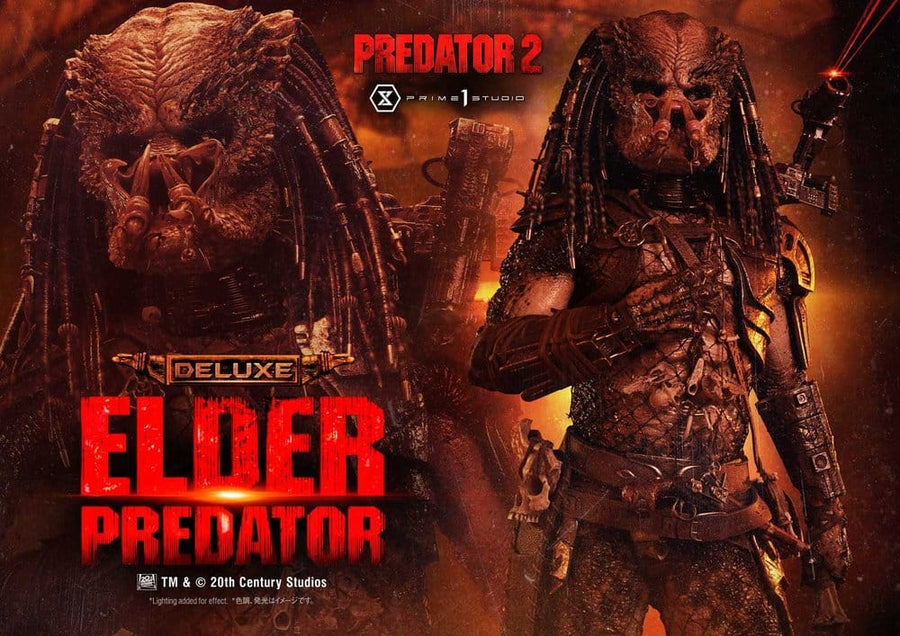
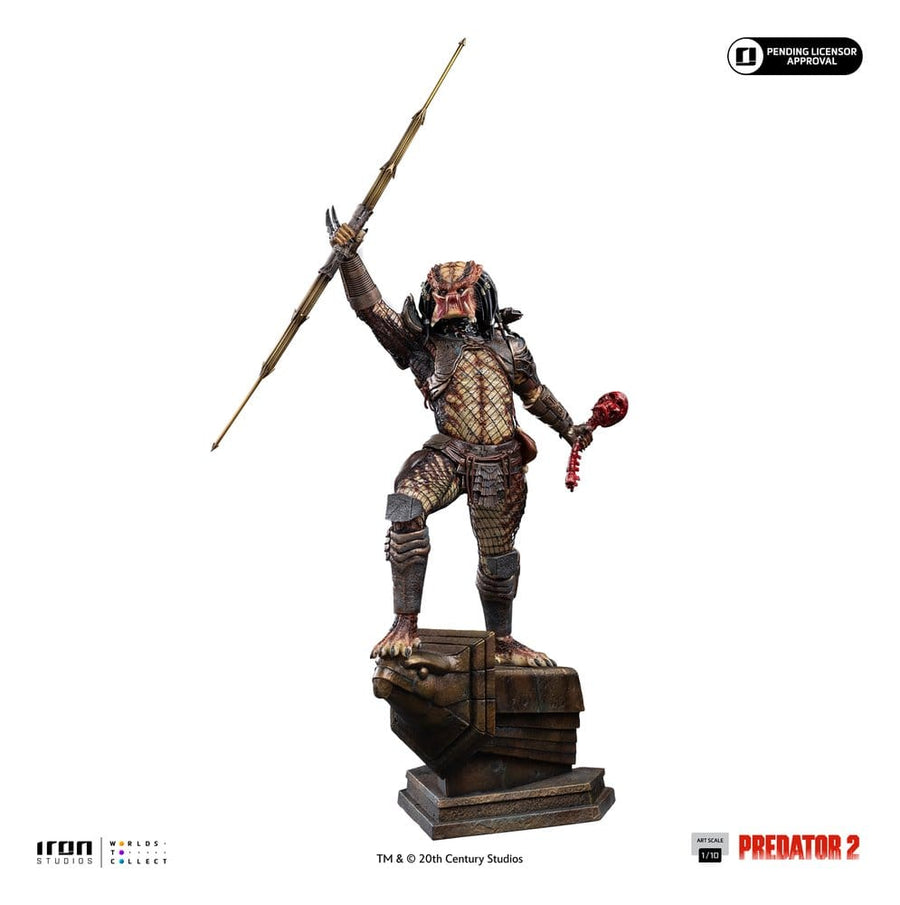
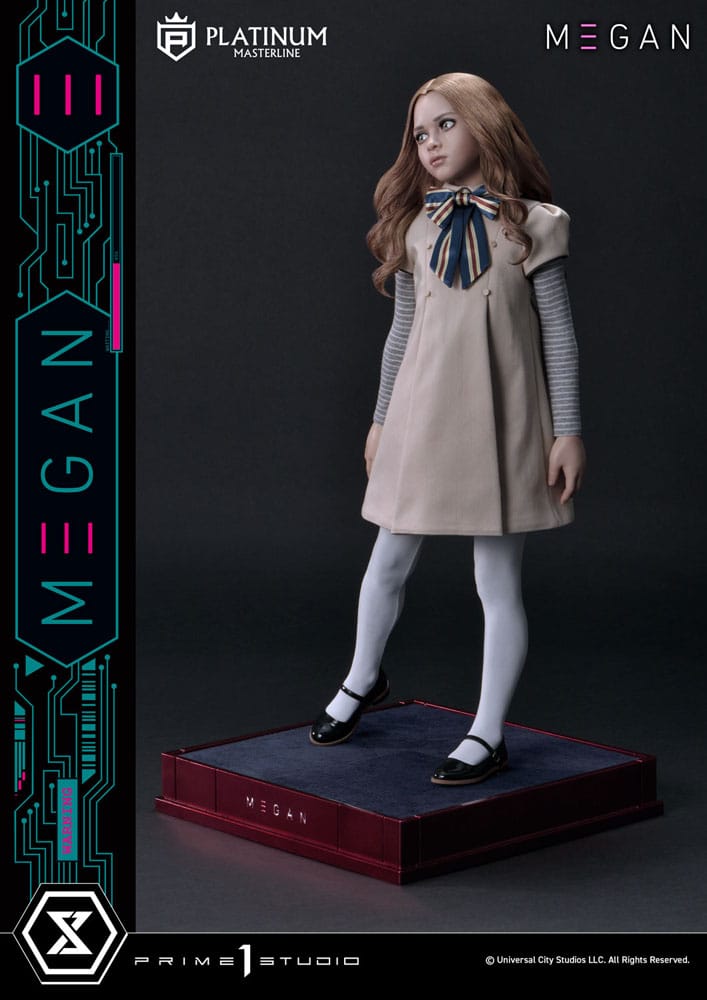
No other shelf here runs the whole length of the scale range. Horror holds 1/10 figures at roughly 20–25cm, quarter-scale pieces at 45–55cm before the base is counted, and life-size busts — a 1/1 head cast at adult proportions, wanting a plinth or a shelf of its own. Those are not variations on a theme. They are three separate furniture decisions, and a product photograph flattens all three into one rectangle.
The reason sits in the source material. Horror is a genre of faces: the creature reveal, the mask, the practical effect built to survive a close-up. A bust puts you at the distance the camera used, which is why the format recurs here and barely appears elsewhere on the site. It also means the edition that looks most restrained in a listing is often the heaviest thing you will own. Read the dimensions and shipping weight rather than the scale fraction. The scale guide sets the common sizes against UK shelving.
Lighting a dark shelf
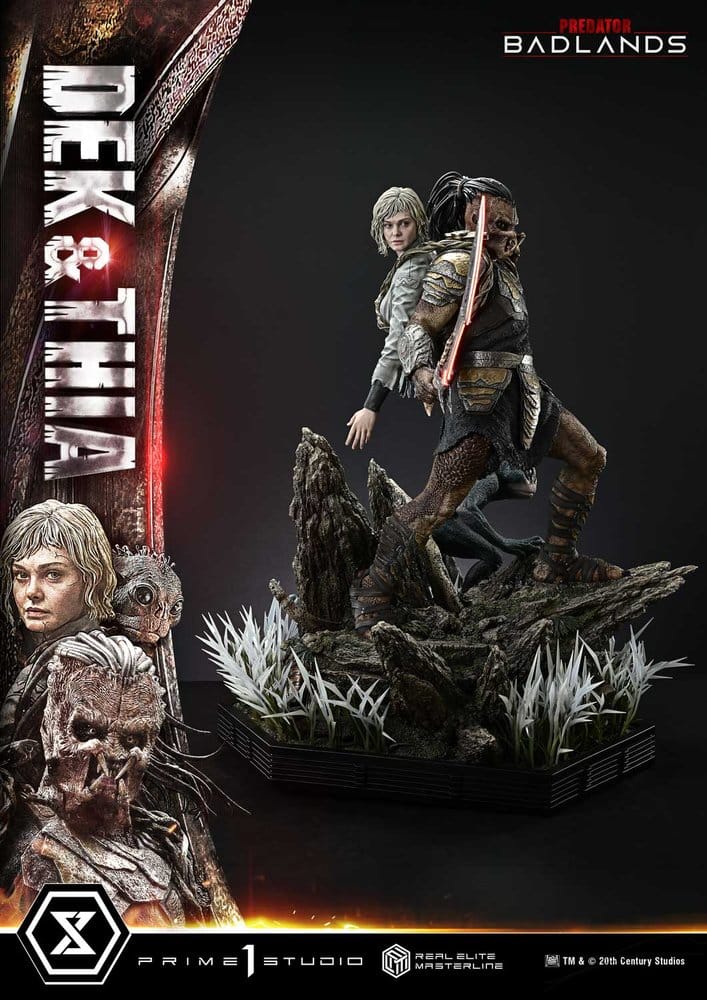
Horror is the collection most likely to be lit deliberately, and the one most often lit badly. The finishes work against you: matt blacks, wet-look flesh tones, deep greys, and surface texture that only exists as shadow. Put that under a single overhead downlight and the top planes go bright while everything below the brow collapses into one flat shape. The detail you paid for is still there. You have simply removed the raked light that made it visible.
Low, angled light from one side does more for a dark sculpt than three times as much light from above. Keep it warm rather than cold, and give the piece somewhere for its shadow to land; a dark backing panel reads better than a mirrored cabinet back.
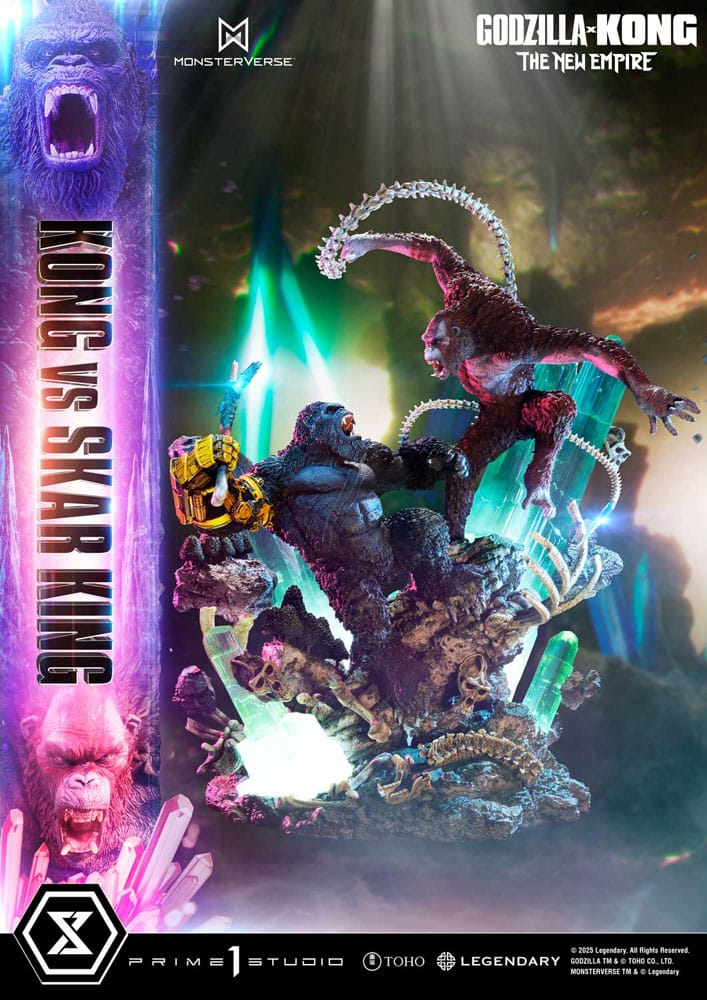
Several editions on this page ship with their own lighting, built into the base, the eyes or the effects parts. That is a power lead, and it has to reach a socket. Work out where the nearest outlet sits in relation to the shelf before the piece arrives rather than on the evening it does. A lit edition stranded a metre from a socket ends up displayed unlit, which looks worse than a sculpt never designed to glow.
Reserving something this large
A deposit reserves the edition. The balance is requested when the piece is with us and has passed inspection, not on a date guessed at a year earlier — which matters most on the largest busts, the ones you least want to have paid for in full while they sit in a factory queue. The deposit is non-refundable: If you cancel before dispatch we retain 10% of the price — for a deposit reservation, that is the deposit. Where a statutory right to cancel applies it is unaffected.
Everything is imported by us through official distribution with VAT and duty included, so nothing arrives with a customs bill. Buying a heavy bust direct from overseas typically adds around 26% plus a handling fee, billed after it lands. Release estimates move, and ours sit on the release tracker with the date each was last checked.
Common questions
Will a bust sit on a glass cabinet shelf?
Frequently not. IKEA's RUDSTA tall gives roughly 45cm between shelves and about 5kg per glass shelf, and the Detolf is discontinued. That rules out most 1/1 work. Plan on open shelving or a plinth, and check height clearance as well as weight.
Is a bust a lesser piece than a full figure?
Not in this genre. For a great deal of horror, the head is the design. A 1/1 bust of a creature you know well carries more presence in a room than a 1/4 figure of the same character, and takes up less floor.
If busts are where you are heading, Alien and Predator is the licence family built around them, and film and television covers the live-action work that sits beside these on most shelves.