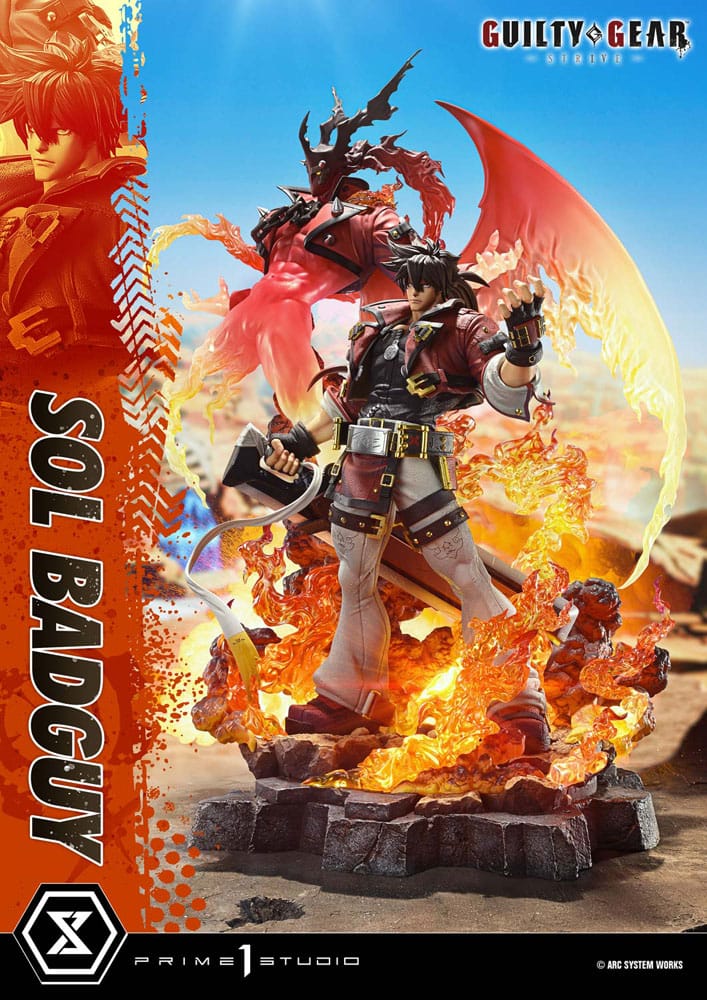
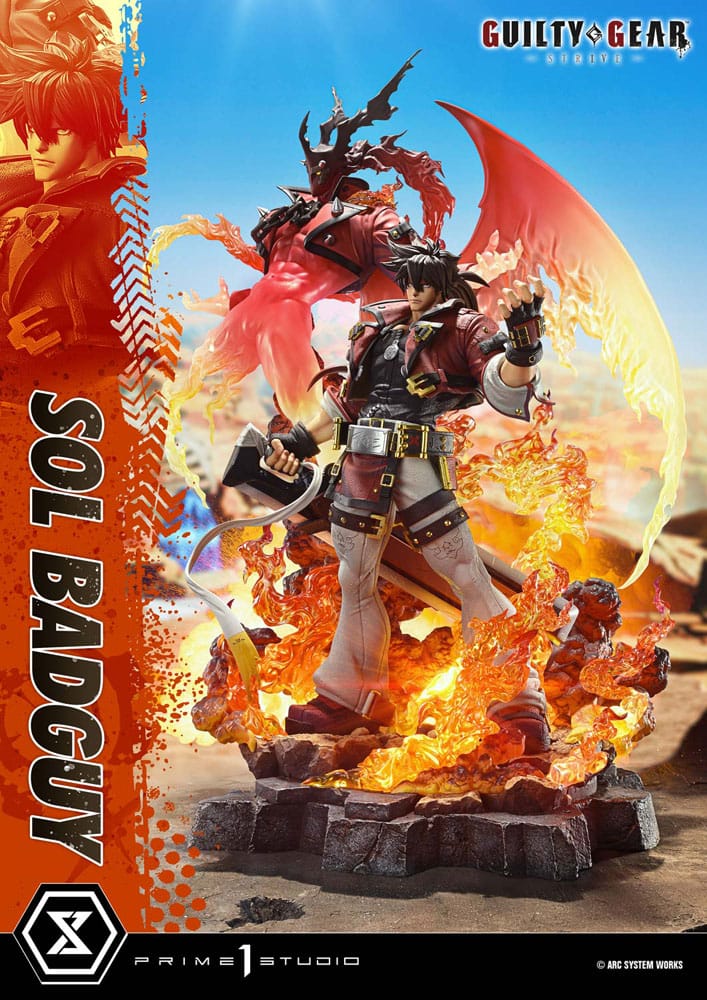
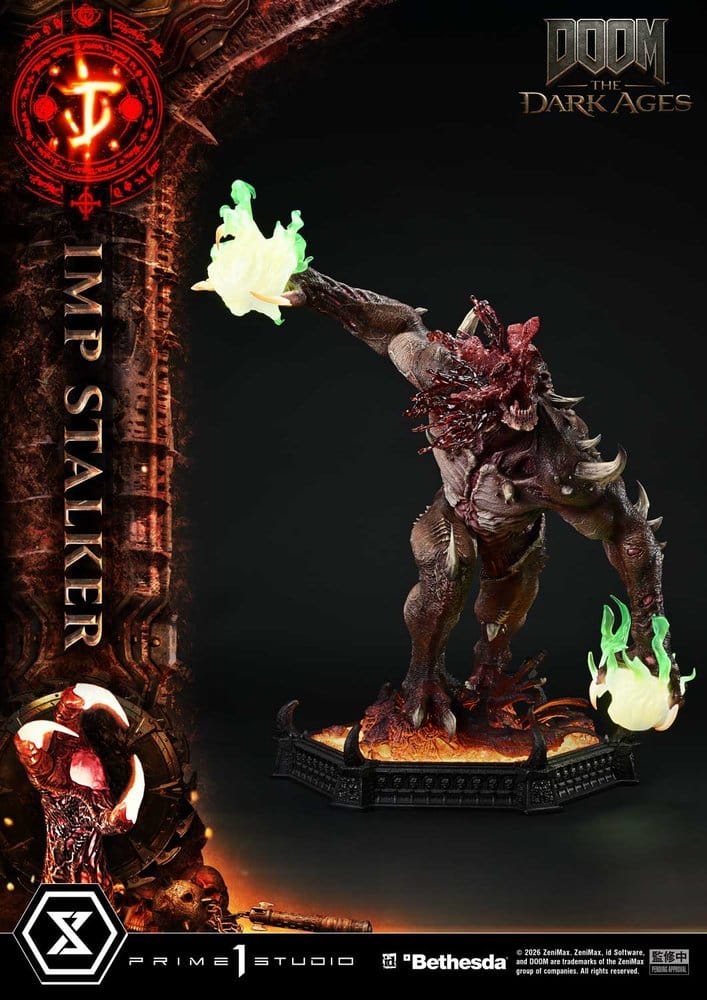
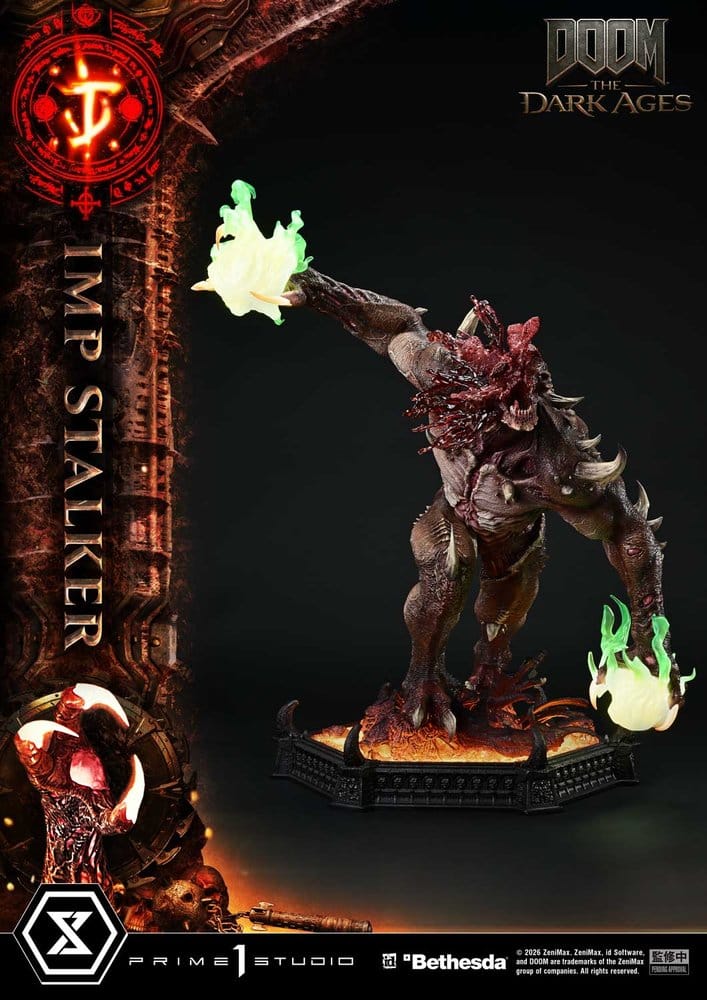
The clock on a game statue is the licence, not the factory
Film licences tend to sit with a studio for years and get worked steadily. Game licences generally do not. They are granted in short windows, usually tied to a launch, a sequel or a round-numbered anniversary, and the statues are announced inside that window because that is when the licensor wants them announced.
The practical consequence is that the ordering period for a game edition is often narrower than for a comparable film piece, and it closes for reasons that have nothing to do with demand. A studio that no longer holds the licence cannot produce more, cannot reissue, and cannot finish a roster it started. That is why fighting-game and shooter lines here sometimes look incomplete — a run of characters at one scale that stops before the obvious name arrives. It rarely means the sculpt was cancelled for lack of interest. It usually means the paperwork expired.
Worth knowing before you plan a set: an announced roster is not a promise of a roster. If the specific character matters more to you than the line, reserve that character rather than assuming you can complete the group later.
The statue outlives the game
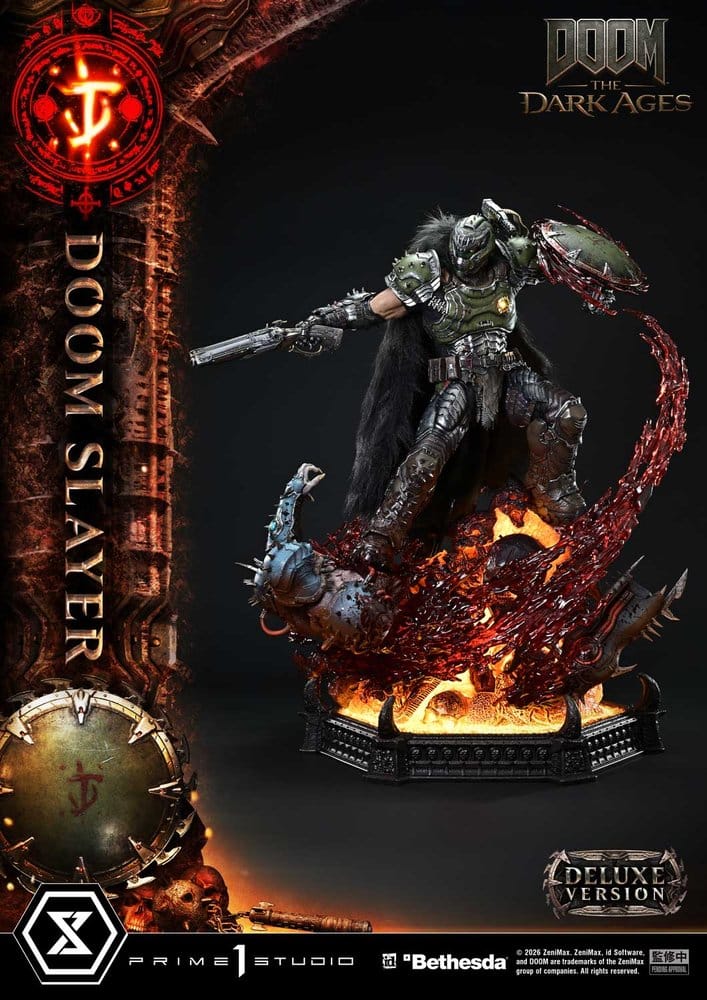
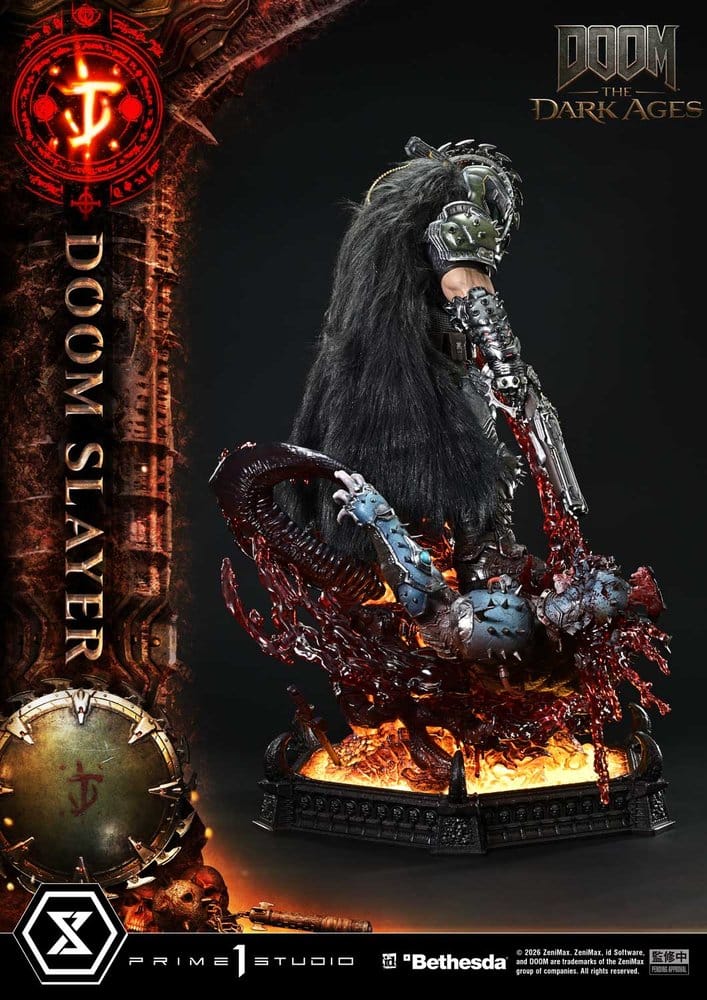
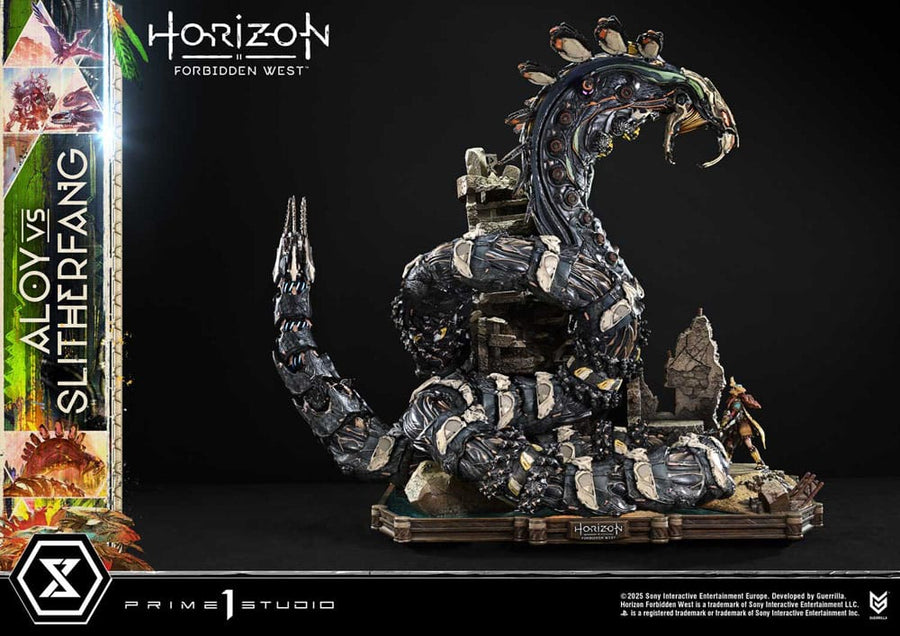
A delisted game, a dead server, a closed developer or a franchise nobody has touched in a decade has no bearing on whether a statue gets made or delivered. Once a licence is granted and a sculpt is approved, production runs on its own schedule. Several editions on this shelf come from games you can no longer buy in their original form, or from versions since superseded.
That cuts the other way too, and it is the honest reason to buy here: the statue is the durable object. The game is patched, remastered, re-released with different faces and eventually switched off. The piece on the shelf is the version of the character that stays fixed.
Reserving in a short window
Because these windows are narrow, the useful question is not whether you will get a better price by waiting — you generally cannot wait — but what committing now costs. A deposit reserves the piece; the balance is only requested when the statue is with us and has passed inspection. The deposit is non-refundable: If you cancel before dispatch we retain 10% of the price — for a deposit reservation, that is the deposit. Where a statutory right to cancel applies it is unaffected. So reserve when you are sure, not as a placeholder.
Announcement to delivery still commonly runs twelve to twenty-four months, and a licence closing to new reservations does not accelerate production. Dates move; ours are on the release tracker with the date each was last checked, so you can tell a genuinely quiet quarter from an unchecked one.
Common questions
Why does this line stop halfway through the roster?
Usually the licence window closed. Occasionally the studio chose to stop. Either way, a missing character is not a hint at a forthcoming announcement, and we will not pretend otherwise to keep you on the Register.
Does a remake or remaster mean new statues?
Often, and they are typically treated as a fresh licence with fresh approvals — a new sculpt of the new likeness rather than a reissue of the old one. If you want the original-era design, buy while it is open.
Do game pieces run smaller than film pieces?
Not inherently. This shelf spans 1/10 at around 20–25cm through 1/4 and 1/3, with a handful of very large pieces above that. The scale ratio behaves normally here because the characters are human-proportioned, unlike the mecha elsewhere in the catalogue.
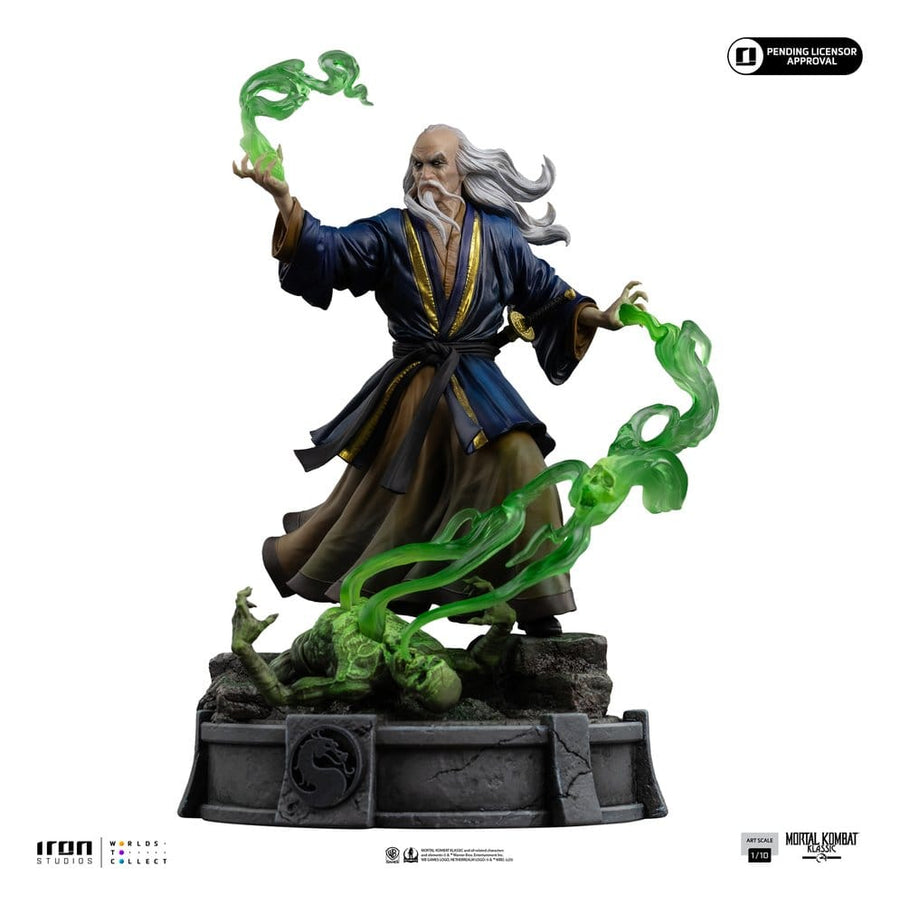
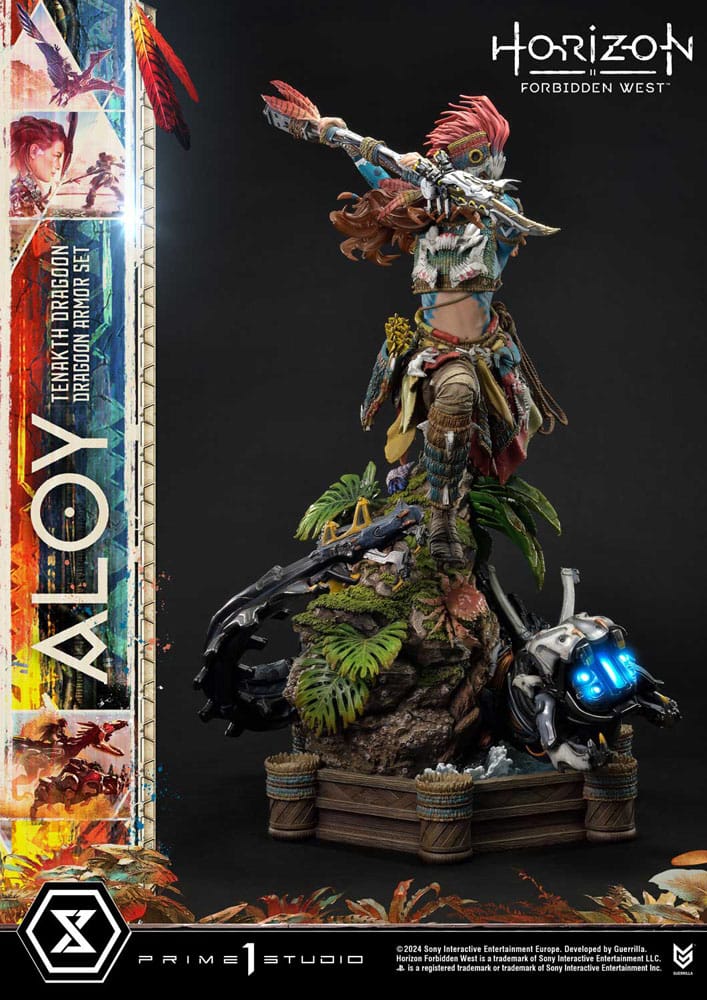
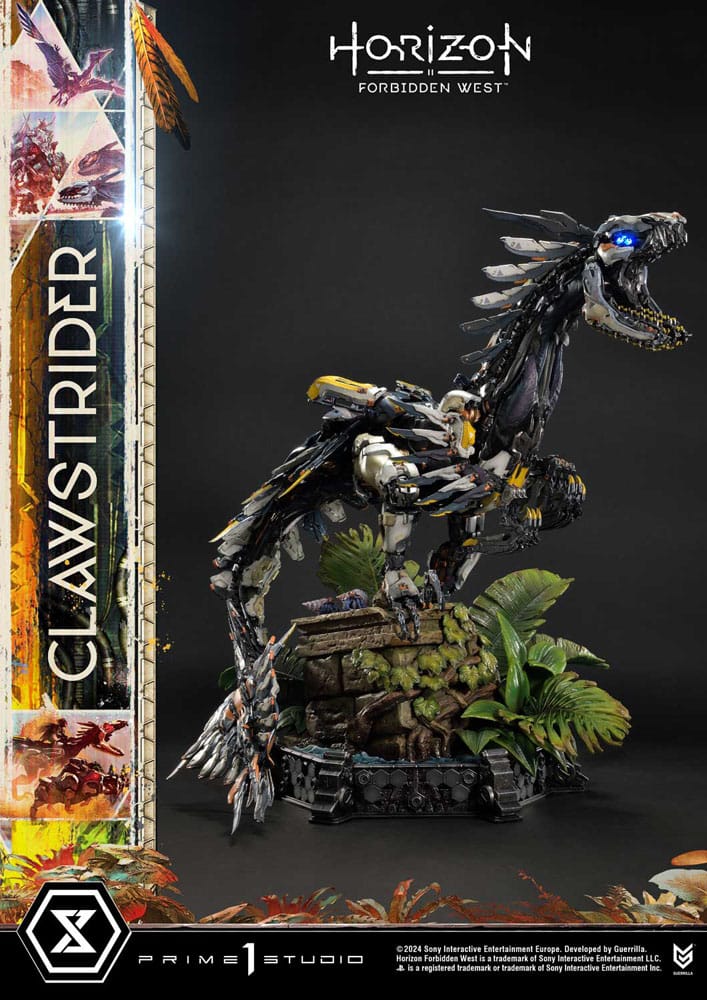
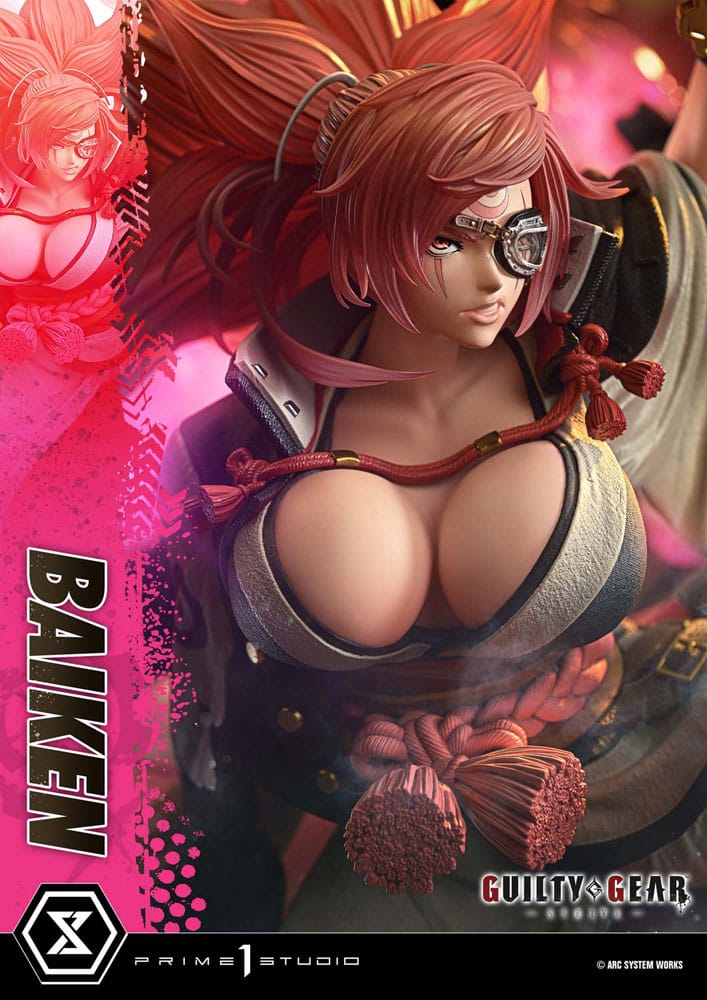
Most of these editions come from Prime 1 Studio at the larger scales and Iron Studios at 1/10, where the interlocking bases suit building a roster; the neighbouring shelf for crossover collectors is anime and manga.