Likeness rights, and why this is the shelf that runs late
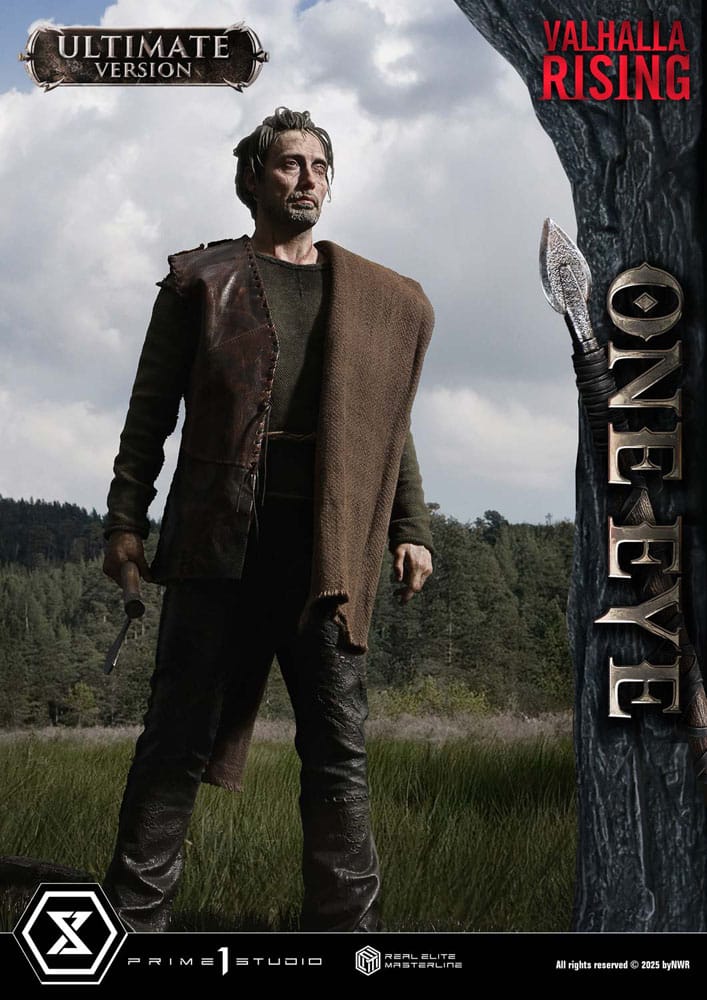
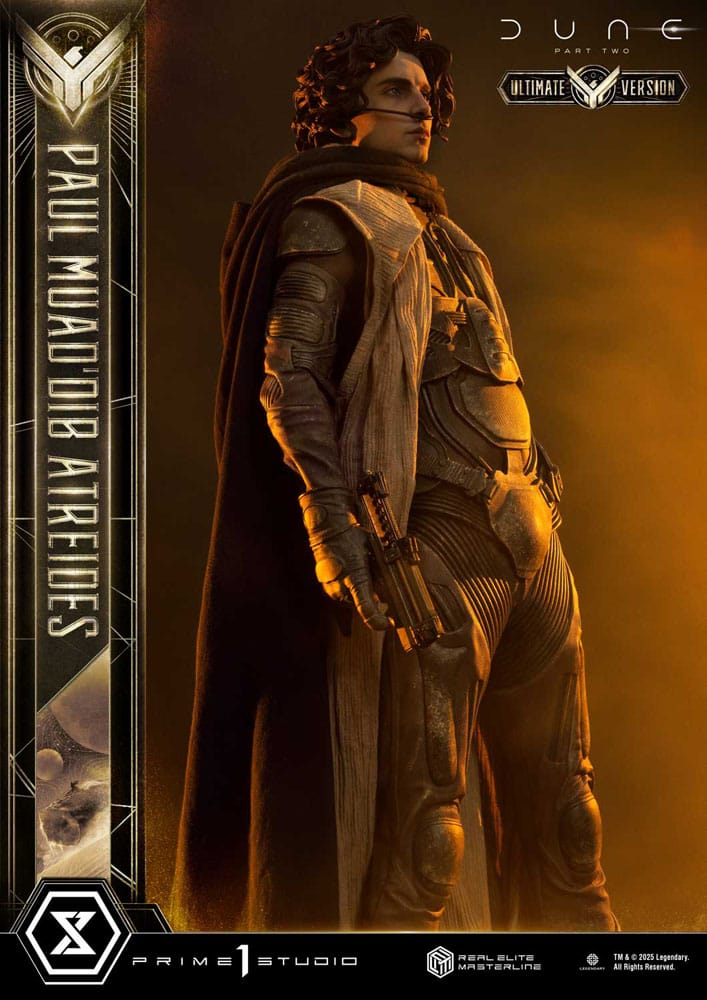
A statue of an animated character needs one approval: the studio that owns the property. A statue of a named actor's face needs two. The rights to the character and the rights to the performer's likeness are separate things, held by separate parties, and the sculpt has to clear both. In practice the studio signs off first and the actor's side reviews after, often on their own schedule, sometimes through an agency or an estate rather than the person.
That second approval is the single biggest reason live-action editions slip against their announced dates relative to animated, comic or game licences. We would rather say it plainly than let you find out at month fourteen: of every collection on this site, this is the one where a delay is most likely. If you are buying on a date, buy from a shelf without a real face on it.
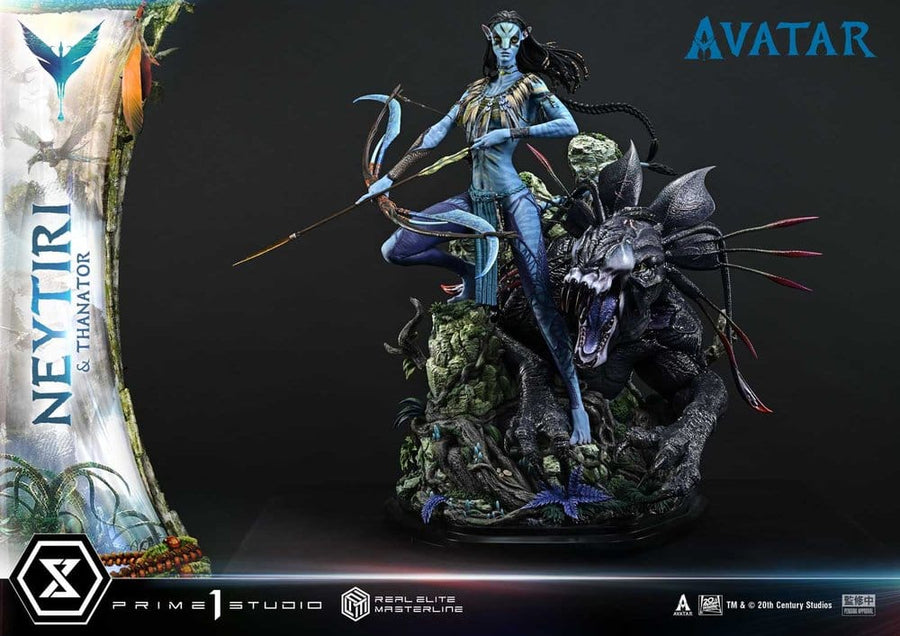
It also explains something you may have noticed while scrolling. A surprising number of live-action characters are sculpted masked, helmeted or hooded. That is not the studio avoiding difficult work or saving money on a portrait — a costume design usually clears through the property holder alone, so the helmeted version is often the only version that could be licensed at all. Where an unmasked portrait does exist, it is sometimes the reason a piece with a swappable head costs and waits more than one without.
What that means for a portrait you have already seen
Prototype photographs are taken before the likeness sign-off is complete. Revisions to a face late in production are normal here, and they come as often from an approval note as from the sculptor's own eye. The finished piece can differ from the announcement images in exactly the area you were looking hardest at. Judge a live-action portrait on the final production photographs where we have them, and treat early images as a statement of intent.
Reserving when the date is the least reliable part
The deposit structure matters more on this page than anywhere else. A deposit reserves the edition; the balance is requested when the piece is with us and has passed inspection, not on a date guessed at months earlier. A licensing delay therefore costs you waiting, not the full price sitting with a retailer. The deposit is non-refundable: If you cancel before dispatch we retain 10% of the price — for a deposit reservation, that is the deposit. Where a statutory right to cancel applies it is unaffected.
Estimates move, and we do not pretend otherwise. Ours are kept on the release tracker with the date each one was last checked, so a quiet month reads as either genuinely no news or nobody has looked, rather than blurring into the same silence.
Common questions
Does a licensing delay ever mean the piece is cancelled?
It can, though it is uncommon. If an edition is dropped before production, your deposit comes back in full. We would rather tell you a piece is stalled than keep the listing tidy.
Are all live-action licences equally slow?
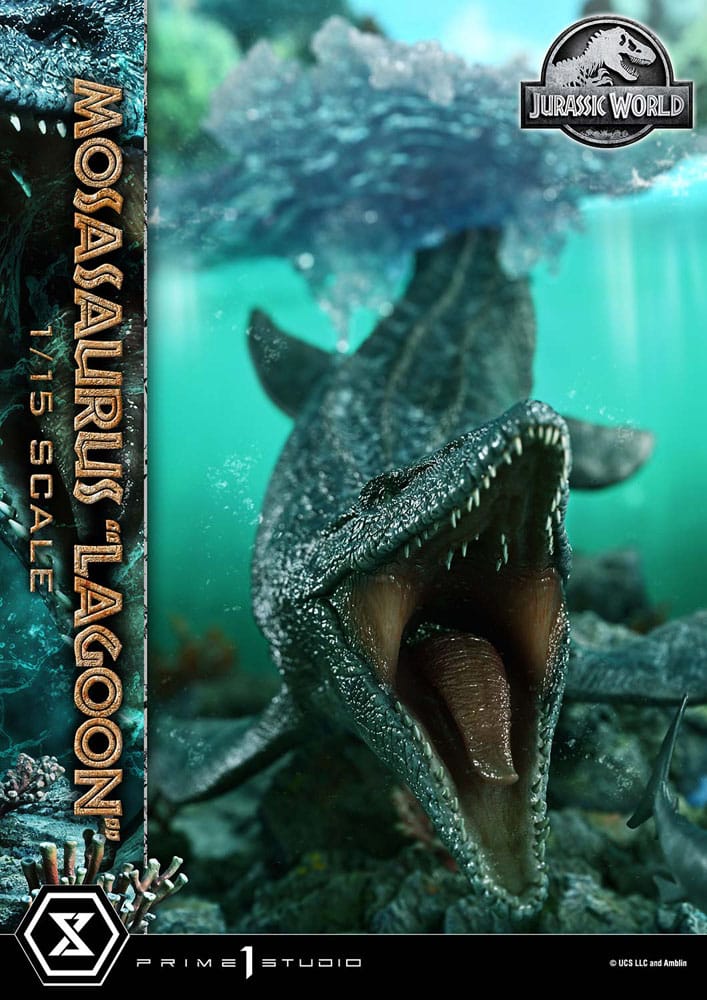
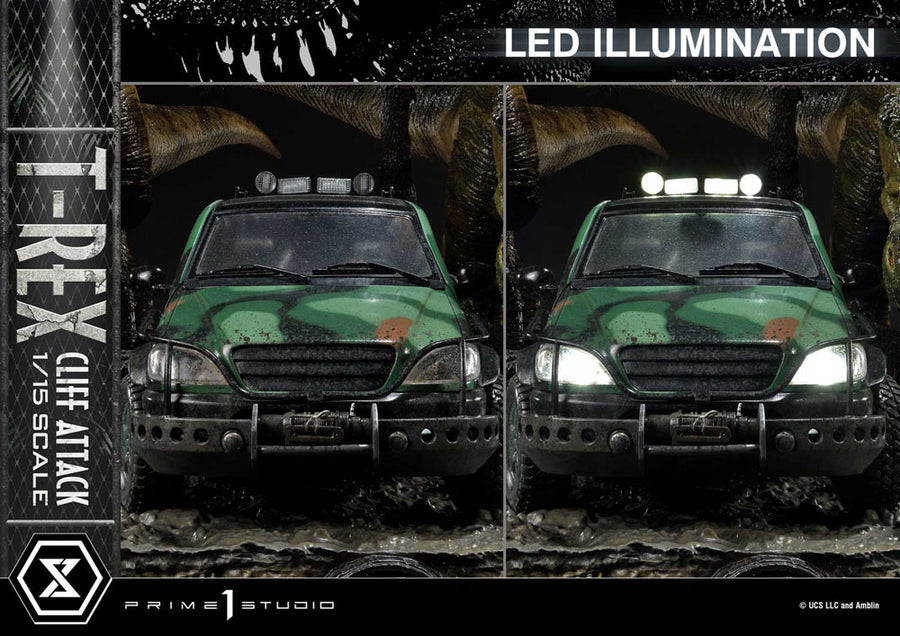
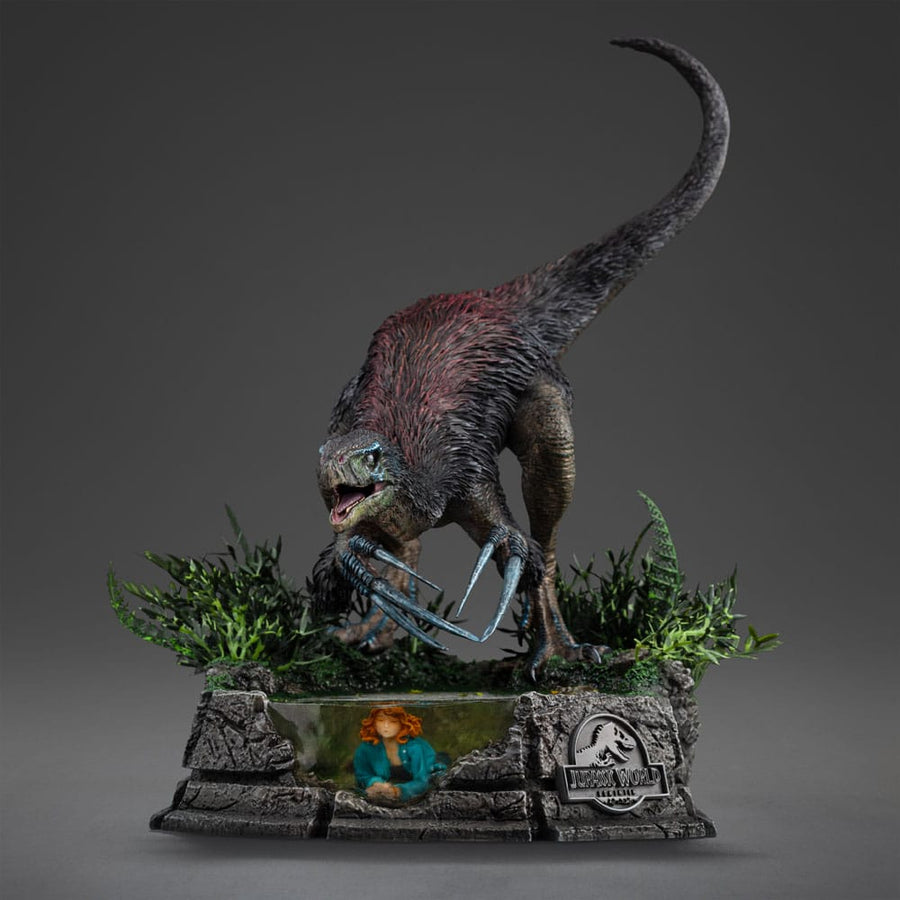
No. Properties where the character is a creature, a suit or a helmet move at roughly the pace of any other licence, because there is no performer likeness in the sculpt. Alien and Predator is the clearest example, and Jurassic Park is largely dinosaurs rather than cast. Star Wars sits in the middle and has its own page for good reason.