Measure the depth, not the height
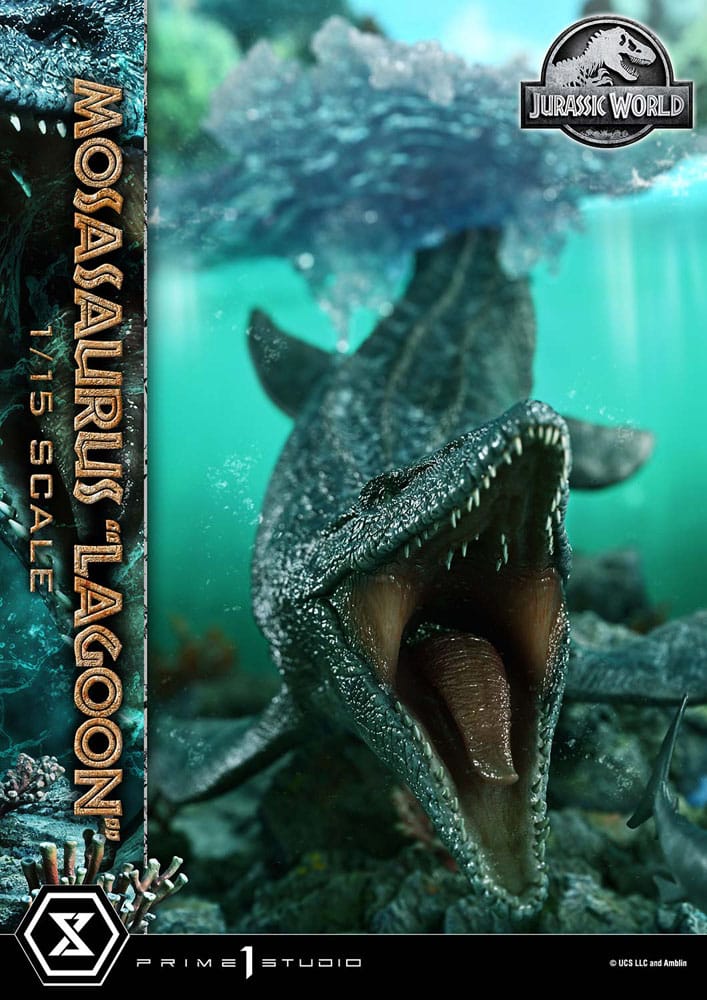
Everywhere else on this site, scale is a question about height. Here it is a question about length. A quadruped is measured nose to tail, and a fraction like 1/15 or 1/38 is being applied to an animal that was measured in metres rather than in feet and inches. That is why the numbers mislead: 1/38 sounds like a desk ornament and often arrives as the longest object on the shelf.
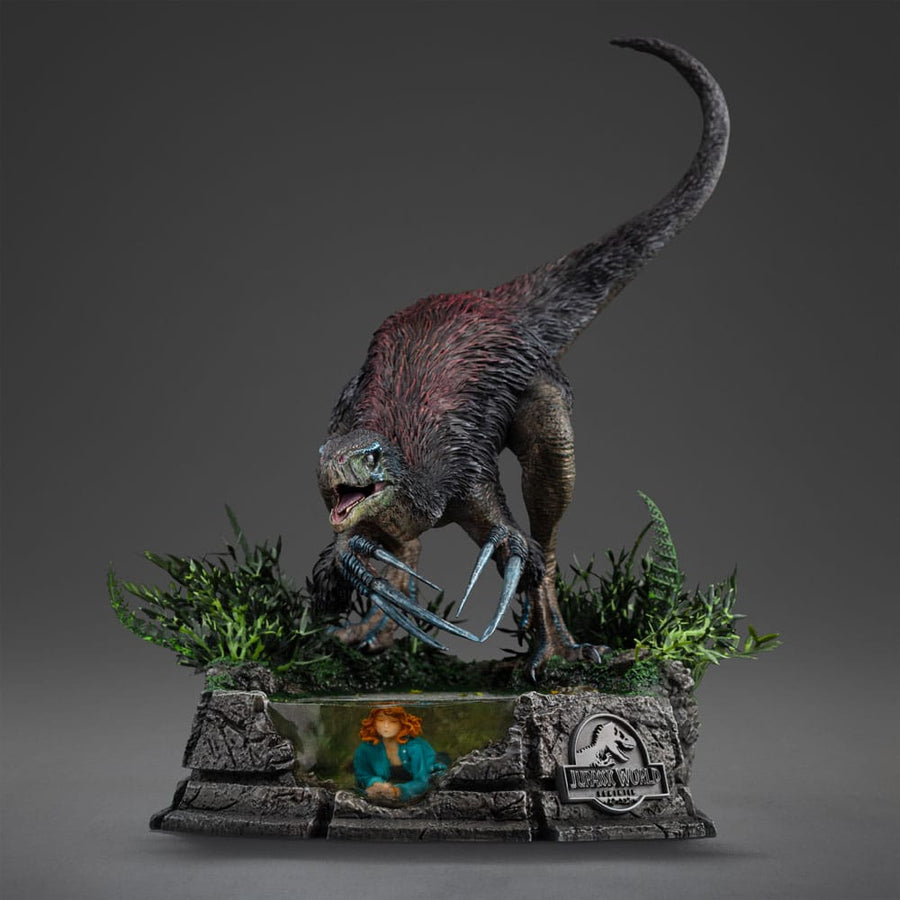
The rule for this page is simple. Read the depth figure, not the height figure, before you reserve. Height is the number the listing leads with because that is the convention across statues generally, and on a dinosaur it is close to meaningless. A theropod sculpt that clears the gap between two shelves with room to spare can still overhang the front edge by ten centimetres, and a long tail routinely sits on a diagonal base precisely so the studio can keep the footprint inside a rectangle. That diagonal has to go somewhere in your room.
Standard glass cabinets are shallower than people remember. IKEA's RUDSTA tall gives roughly 45cm between shelves and about 5kg of load per glass shelf, and the Detolf is gone, so on this collection the cabinet fails on depth and weight long before it fails on height. Open shelving, a sideboard or a low plinth suits these pieces better. The scale guide carries the measurements against UK furniture.
Reading a Prime 1 dinosaur
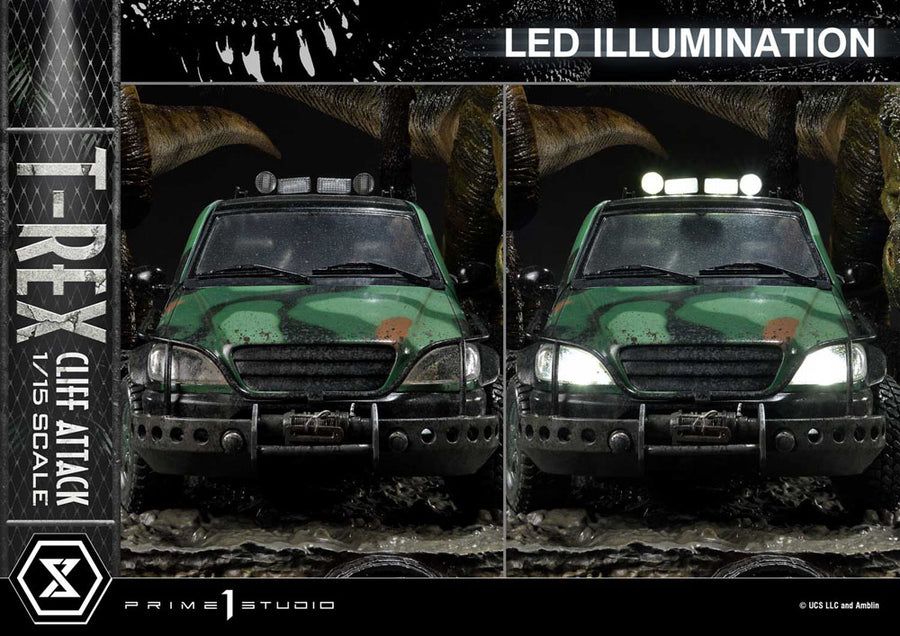
Most of this shelf is Prime 1, and their tier names were built around human figures. Working up, the line runs PCF at 1/10, Premium Masterline usually at 1/4, Museum Masterline typically at 1/3, and Ultimate Premium Masterline at the top. Applied to a person those fractions tell you roughly how tall the piece stands. Applied to an animal several metres long they tell you very little, which is why two dinosaurs at the same nominal scale can occupy wildly different amounts of surface. Take the dimensions on the product page as the only figures that matter.
Iron Studios also hold this licence, and their 1/10 Art Scale work is the easier way onto the shelf: smaller, lighter, cheaper, and designed so pieces from the same line sit together. If your space is a cabinet rather than a room, start there rather than here. If you want the whole Prime 1 range, it is on its own page.
Reserving something with this footprint
The larger sculpts here arrive in more than one box and want two people to unpack and assemble. Decide the placement before delivery day; polystone is heavy, rigid and does not forgive a drop, and a piece this long is awkward to reposition once it is built.
A deposit reserves the edition. The balance is requested when the piece is with us and has passed inspection, not on a date guessed at a year or more earlier. The deposit is non-refundable: If you cancel before dispatch we retain 10% of the price — for a deposit reservation, that is the deposit. Where a statutory right to cancel applies it is unaffected. We import through official distribution with VAT and duty included, so nothing arrives with a customs bill; direct from overseas, a piece of this weight typically adds around 26% plus a handling fee, billed after it lands. Release estimates move and ours are on the release tracker with the date each was last checked.
Common questions
Is 1/38 too small to bother with?
Not on this licence. At that fraction you are still dividing a very large animal, and the result is a substantial display piece. Check the stated length before you dismiss it.
Can I put one on a glass shelf?
Rarely. Weight is one problem and overhang is the other: an unsupported nose or tail beyond the shelf edge loads the glass unevenly. Solid shelving is the safer answer.
For the live-action licences that share this shelf's approval quirks, see film and television.